Crowded teeth
Teeth that overlap or twist because there isn't quite enough room. Mild to moderate crowding usually responds well.
Often a good fitOrthodontics · Invisalign® clear aligners
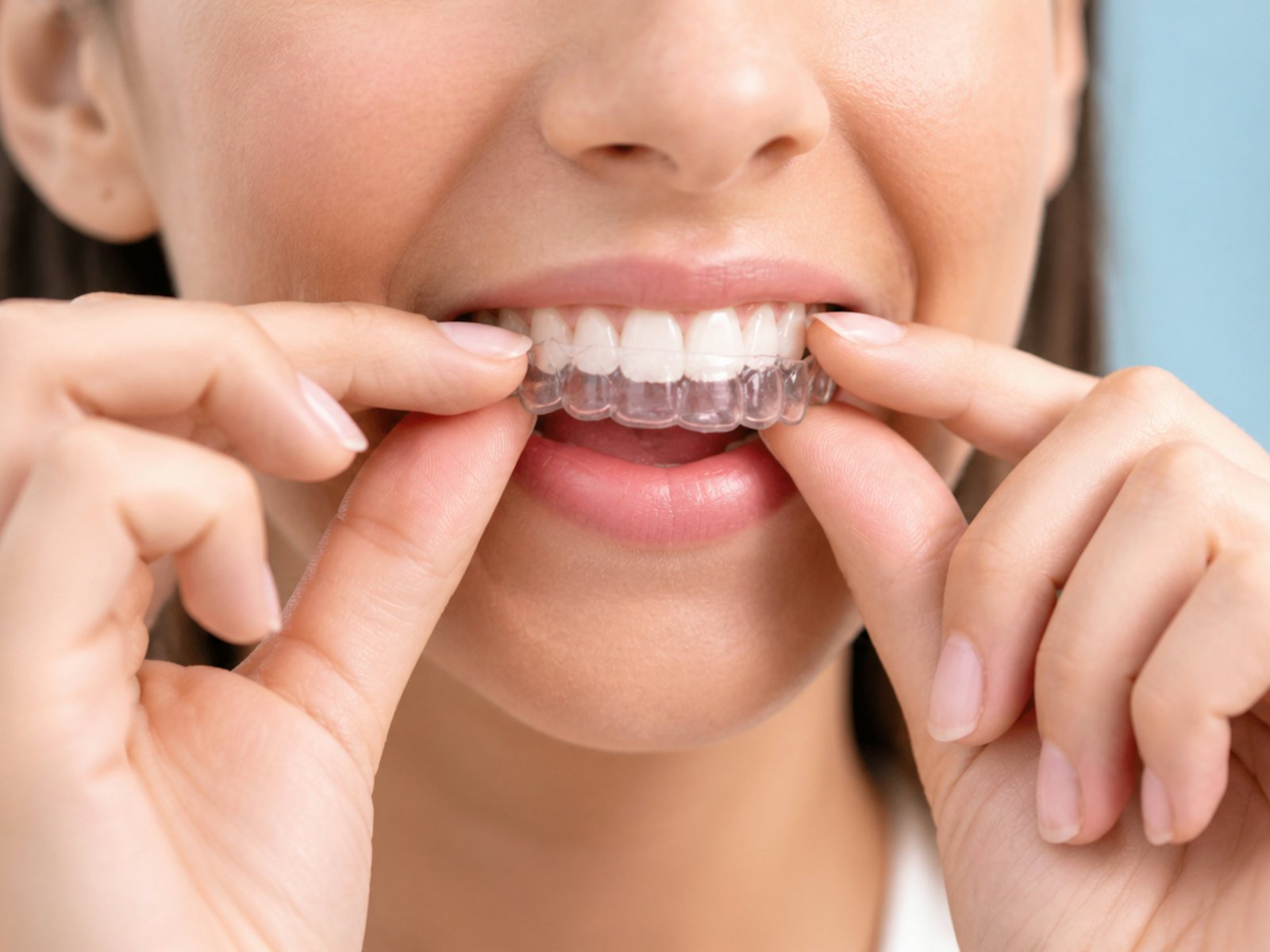
Invisalign treatment uses a series of custom-made clear aligners to move your teeth a little at a time — no brackets, no wires, and nothing most people will notice. It starts with a quick digital scan instead of messy impressions. Available at our Westheimer and Bellaire offices, Monday to Saturday.
We call back within one business day · All dental insurance plans welcome · Open Mon–Sat

Why patients choose Invisalign treatment
For many adults and teens, the hardest part of straightening their teeth isn't the treatment — it's how it looks and how it changes their routine. Clear aligners are designed to get out of the way.
/ 01
The aligners are thin, clear trays shaped to your teeth. In meetings, photos, and everyday conversation, most people won't know you're wearing them.
/ 02
Because the aligners come out, there's no list of foods to avoid. Eat normally, then brush and floss the way you always do before putting them back in.
/ 03
There are no wires to tighten. You switch to each new set of aligners at home, and visit us for regular check-ins to make sure your teeth are moving to plan.
Can it fix my problem?
Invisalign clear aligners can treat more than most people expect, but not everything. Here's a straight answer for the most common concerns. Your exam is what decides it.
Teeth that overlap or twist because there isn't quite enough room. Mild to moderate crowding usually responds well.
Often a good fitSmall to medium spaces, including a gap between the two front teeth.
Often a good fitTeeth that moved back after braces years ago, often because a retainer stopped being worn.
Often a good fitUpper front teeth that cover too much of the lower ones. Many overbites can be improved with aligners.
Depends on your caseSome upper teeth sit inside the lower teeth when you bite. Mild cases often work; others need more.
Depends on your caseFront teeth that don't meet when you bite down. Habits such as tongue thrust can affect the result.
Depends on your caseLower teeth that sit in front of the upper teeth. Mild cases may work; jaw-related ones usually need a different approach.
Depends on your caseLarge jaw differences, heavily rotated teeth or teeth that need a lot of vertical movement.
Braces may be betterNot sure which one is you? That's normal. Our experienced dentists offer both aligners and braces, so we'll recommend what works for your teeth.
Not sure where you fit?
A quick digital scan and exam will tell us, and we'll be honest if braces would work better.

Digital scanning
Instead of biting into trays of impression material, we use a small handheld scanner to build a 3D model of your teeth. It's quicker, more comfortable, and it's what your aligners are made from.
How it works
Every case is different, but treatment follows the same basic rhythm. Your dentist will give you a timeline for your case at the consultation.
/ STEP 01
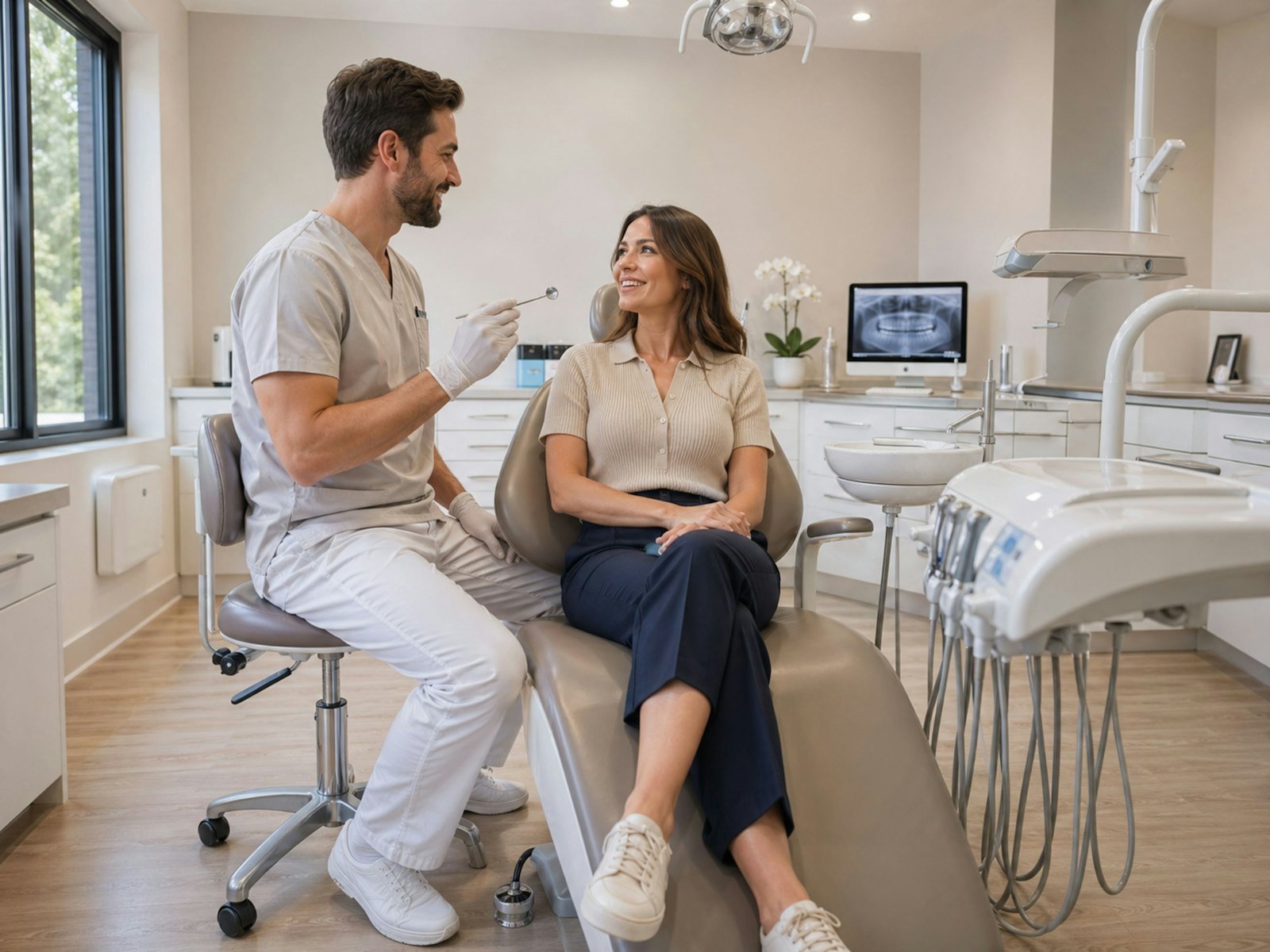
We examine your teeth, gums, and bite, take a digital scan, and tell you honestly whether aligners are a good fit — or whether braces would serve you better.
/ STEP 02
Your dentist maps out how each tooth should move, step by step. Your aligners are made from that plan to fit your teeth alone. You'll get a full estimate before anything begins.
/ STEP 03
Wear your aligners about 20–22 hours a day and move to the next set on the schedule we give you. Short check-ins keep everything on track.
/ STEP 04
When your teeth reach their final position, a retainer keeps them there. This is the step that protects your result for the long term.
Aligners or braces?
We offer both, so we can recommend whichever suits your case — not whichever we happen to provide. Here's how they compare.
The honest answers
Aligners are easy to live with, but they do take some discipline. Here's what day-to-day treatment is actually like.
 Keep the case with you
Before you start
Some parts of aligner treatment surprise people because nobody mentioned them. None of them are problems. We'd just rather you hear about them from us first.
What to expectMany plans use attachments: small, tooth-coloured bumps bonded to a few teeth so the aligners can grip and move them. They're polished off at the end.
What to expectSometimes teeth need slightly more space to move. Your dentist may lightly polish between a few teeth. It's quick and we'll tell you beforehand if your plan includes it.
What to expectIt's common to need a few more aligners to fine-tune the result. That doesn't mean something went wrong. It's a normal part of getting the details right.
What to expectAligners only move teeth while they're in. Skipped hours add up and can make treatment take longer than planned.
What to expectTeeth naturally try to drift back. Wearing a retainer, usually at night, is what keeps your result for years to come.
Frequently asked
Aligners can treat many cases of crowding, gaps, and bite problems. Some complex cases are better suited to braces. The only way to know is an exam — your dentist will tell you honestly which option fits your teeth.
Yes, once enough adult teeth have come in. Because results depend on wear time, we'll talk with you and your teen about whether aligners or braces are the better fit. See Invisalign treatment for teens.
It depends on how much your teeth need to move. Minor corrections can be quick, and more involved cases take longer. Your dentist will give you a realistic range at your consultation.
Often, yes. Shifting after old braces is one of the most common reasons adults ask about Invisalign treatment, and these cases are frequently shorter than the original treatment.
Call your office. Depending on where you are in treatment, we may have you move to your next set or wear your previous one while a replacement is ordered.
We work with all dental insurance plans. Many plans with an orthodontic benefit apply it to Invisalign treatment the same way they do to braces. Because every case is different, we don't quote prices online. After your exam, we'll check your benefits and give you a personal estimate before treatment begins. Flexible payment options are available.
Ready to talk about it?
Send us a quick message and we'll call you back within one business day to set up your consultation. Prefer to talk now? Both offices answer Monday to Saturday.